
Nowadays, developing essential academic and employment skills is crucial for long-term career success. Academic skills form the foundation for professional skills. These include critical thinking, research ability, problem solving, communication skills and digital literacy.
Critical thinking involves analyzing, evaluating, and applying reasoning to information and arguments rather than accepting them at face value. It is essential for effective academic reading, writing, and decision-making in academic contexts. [1].
Research ability encompasses the competencies required to design inquiries, locate and analyze sources, assess the quality of evidence, and produce results into reasonable findings, supporting independent research and scholarly investigation [2].
Problem-solving is an essential academic and employment skill involving identifying issues, analysing causes, planning solutions, and reflecting on outcomes; it enhances students’ ability to tackle academic challenges and workplace tasks effectively [3].
Communication skills are the abilities to express ideas clearly and effectively through speaking, writing, listening, and nonverbal methods. They are essential in education, workplaces, and personal interactions, helping individuals convey information accurately, collaborate with others, and solve problems efficiently [4].
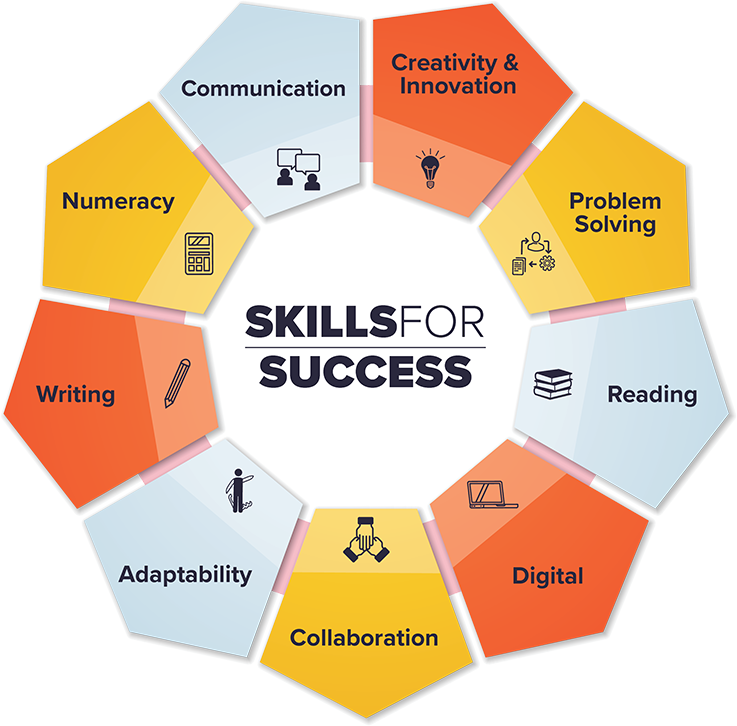
Figure 1: Essential Academic and Employment Skills [5].
Digital literacy is essential in today’s workforce due to rapid technological adoption. Vocational education must equip students with these skills. Research highlights best practices, challenges, and recommendations, emphasising teacher training, equitable technology access, and collaboration between institutions, industry, and policymakers to prepare students for successful careers in a digitalised labour market [6].
Numeracy skills are vital for employment and labour market success, as employers often use numeracy tests in recruitment, and improved numeracy increases job prospects. Poor numeracy can limit graduate employment opportunities across sectors, making the development of quantitative competence essential for workforce readiness and career advancement [7]
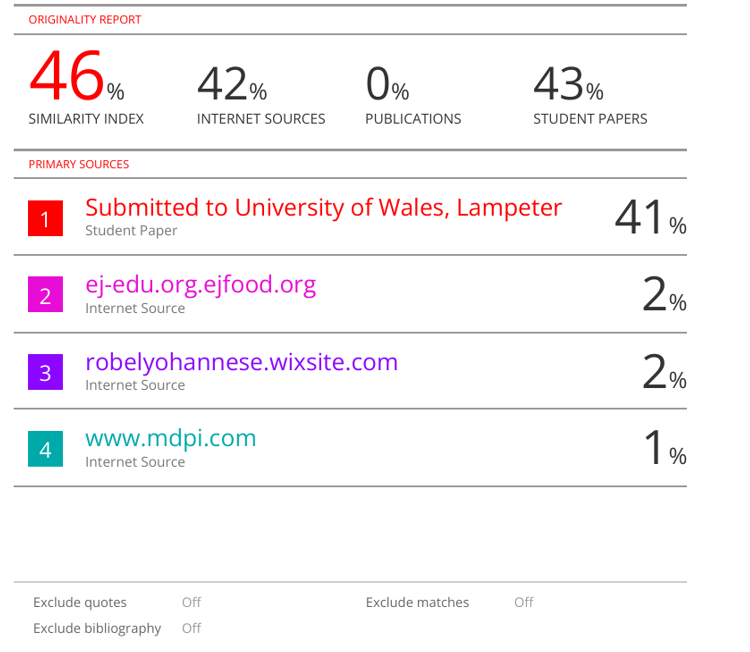
I received a 46% similarity score on my assignment. I have rechecked, and everything looks good on my end. The template I used showed 41% similarity, and I also received 5% similarity for my reference. Before writing this assignment, I read books on essential academic and employment skills from Google Scholar, and I also read many reports on this topic.
In regards to marking, I think I should get a 60% mark because I have done thorough research on this topic. I gave a brief introduction to my topic and explained the skills needed to succeed in both academic and employment careers. Then I discussed them one by one, drawing from multiple sources. I covered critical thinking from the book Critical Thinking Skills: Effective Analysis, Argument and Reflection; research ability from a report published by MDPI; and problem-solving from a research title, Employability skills: Problem solving in academic work, from the University of Leicester in 2025. Then I came to communication skills, writing from the book Communication Skills–Core of Employability Skills: Issues & Concerns. Later, for digital literacy, I read the book Digital Literacy and Vocational Education, which provided essential information about this. I have used a relevant picture about this topic.
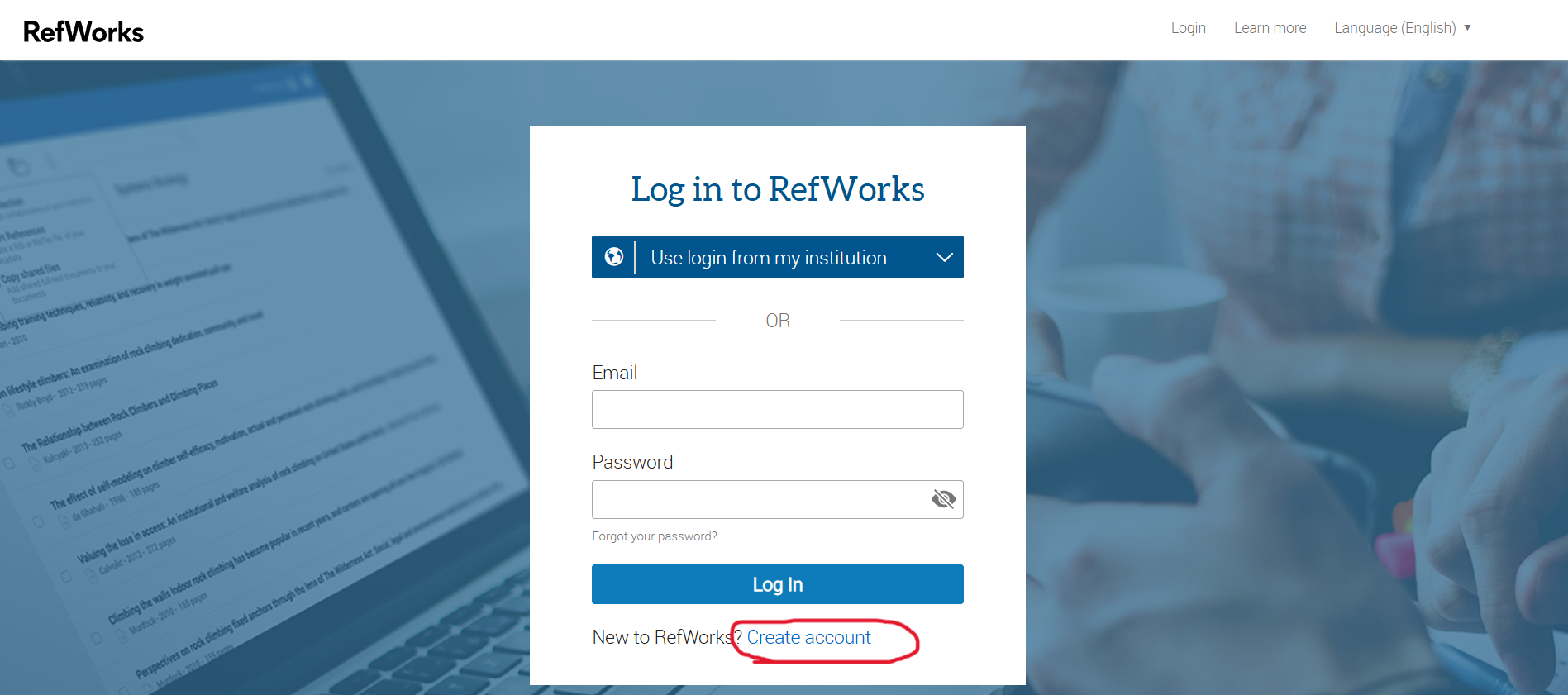
1. We need to create an account on RefWorks.
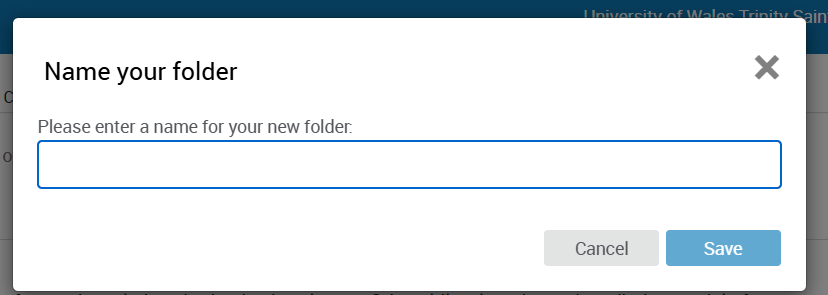
2. We will create a folder.

3. Go to Google Scholar and search the topic on search bar. Then google scholar will give the results. In the bottom of all results, there is an option named "cite". There have an option Refworks press there, it will take to “Refworks” website and will ask for chose for folder cite. Then import it.
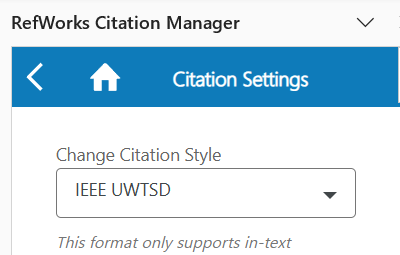
4. Setting up RefWorks on MS Word. Do citation style to “IEEE UWTSD” . In “My reference” you will see all your references.
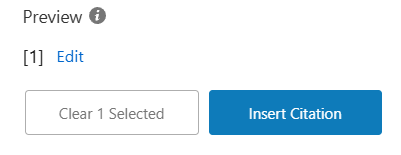
5. To add your references, press your cursor on after the sentence and before the full stop. After that go “RCM” and chose your references and press insert citation.
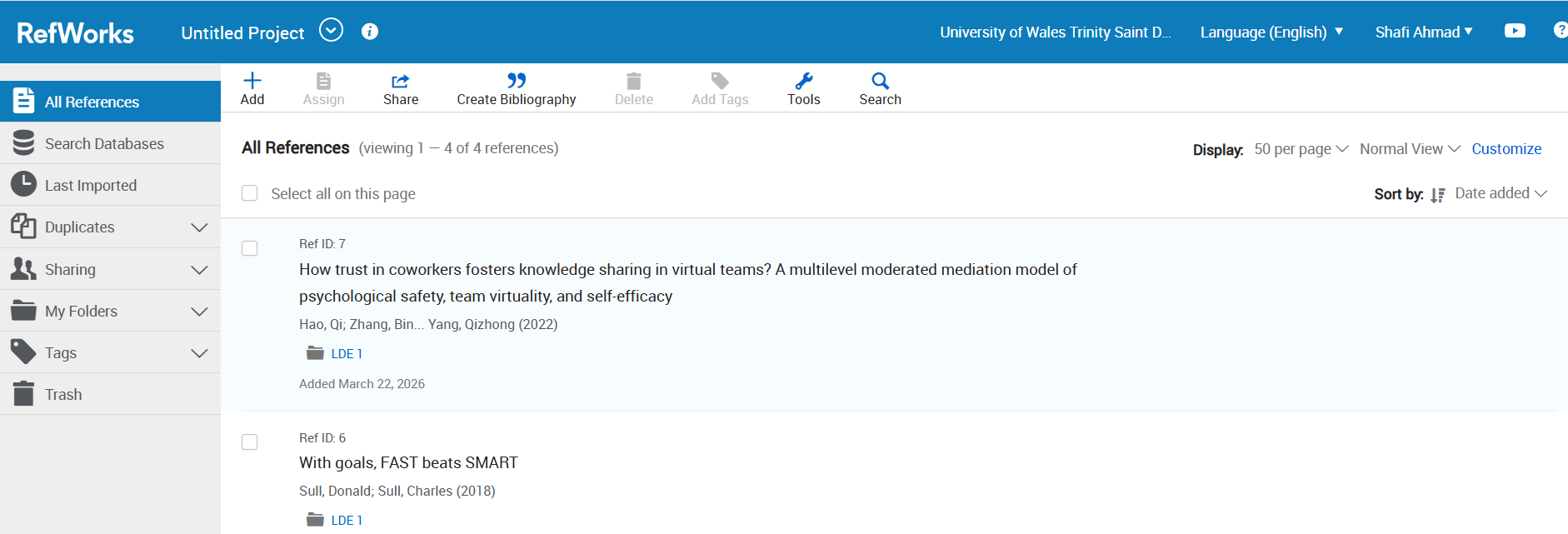
6. After adding all references now its time for creating bibliography.
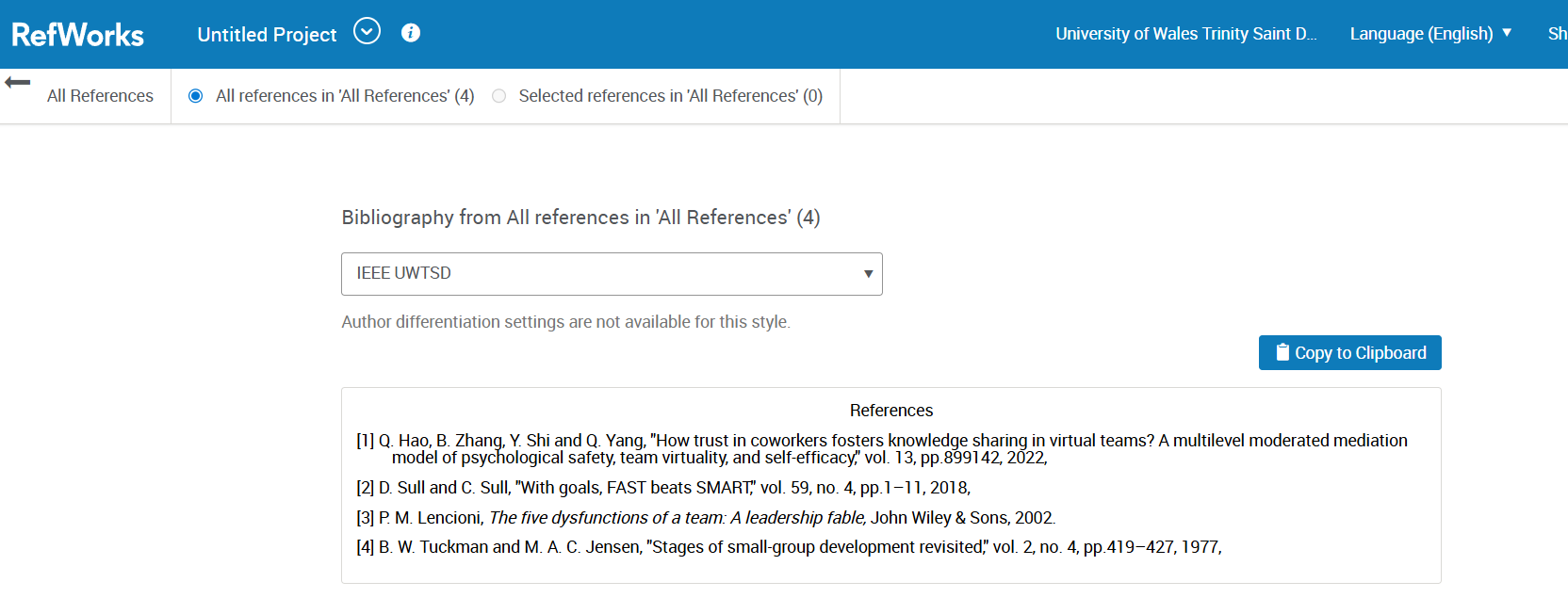
7. After creating the bibliography, now it's time to copy it and check that the style is “IEEE UWTSD’.
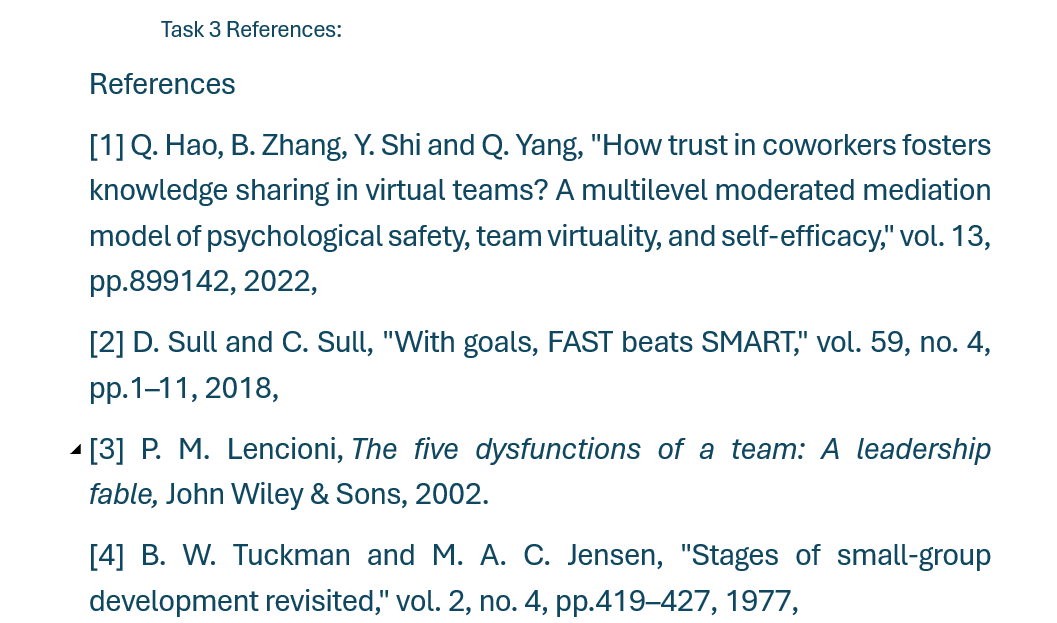
8. Paste the bibliography on MS Words. That’s all.
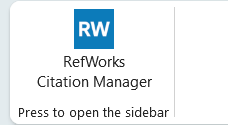
9. You can manage your references by clicking "RCM". You can change citation style and many more from RefWorks Citation Manager.
1. I chose WordPress to build my e-portfolio. I brought 1 year domain and hosting, then I installed WordPress on this hosting.
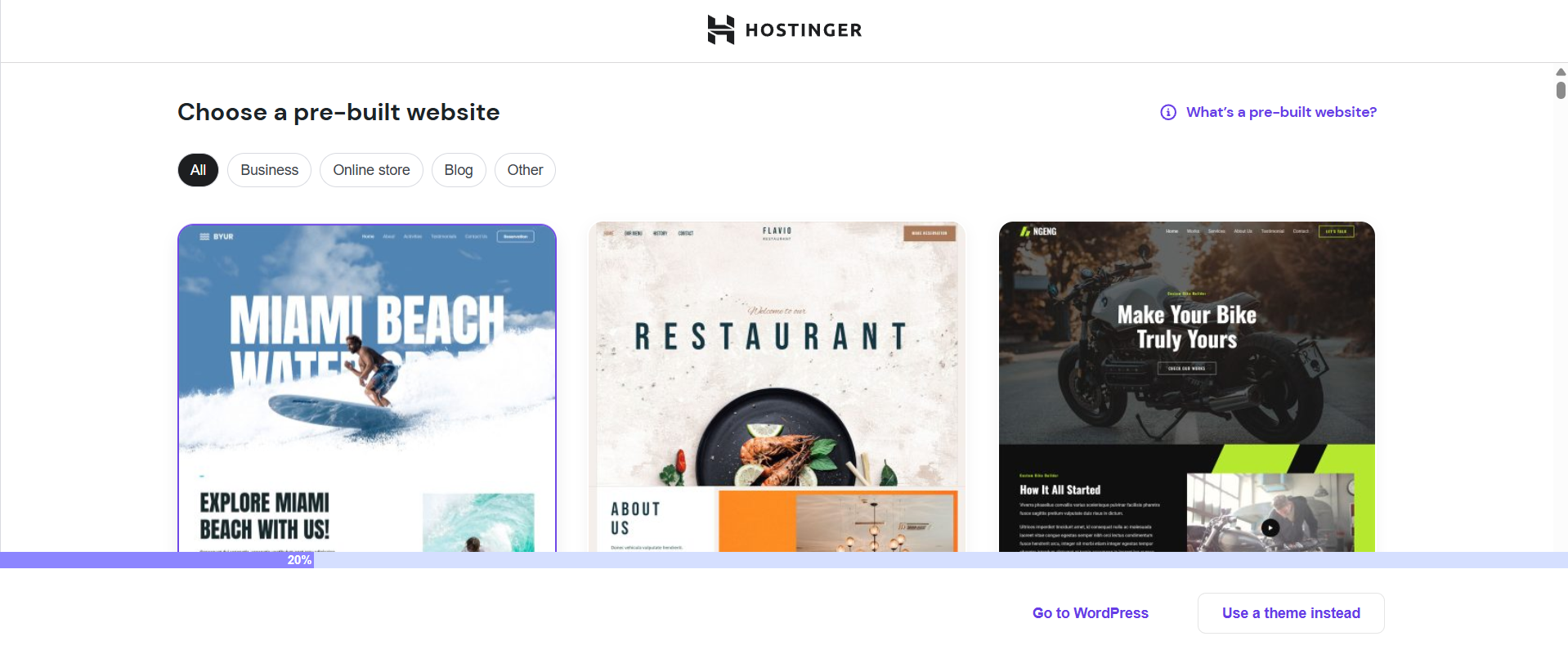
2. After installing wordpress, I have chose a pre built free theme from wordpress. Then I installed all my required plugins.
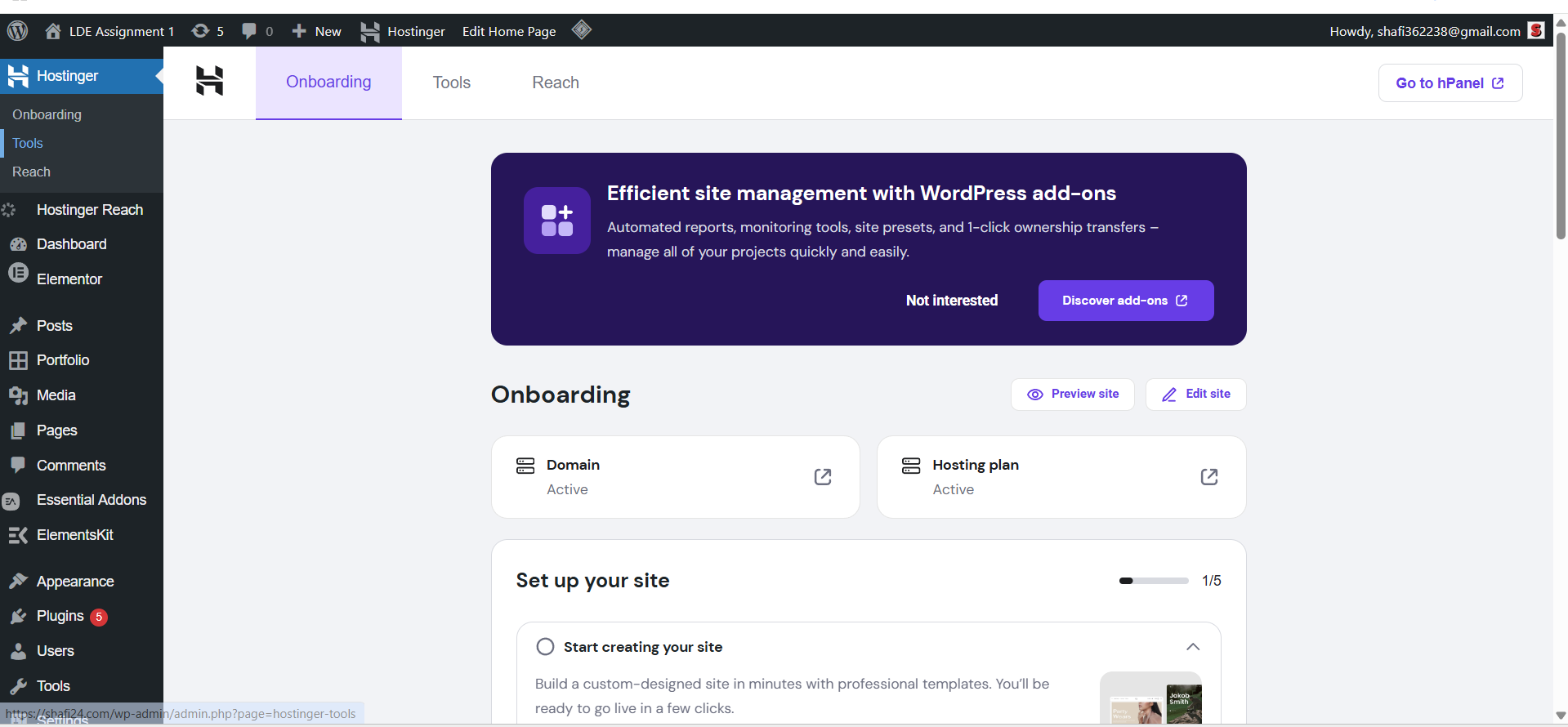
3. After installing everything,this the admin look.
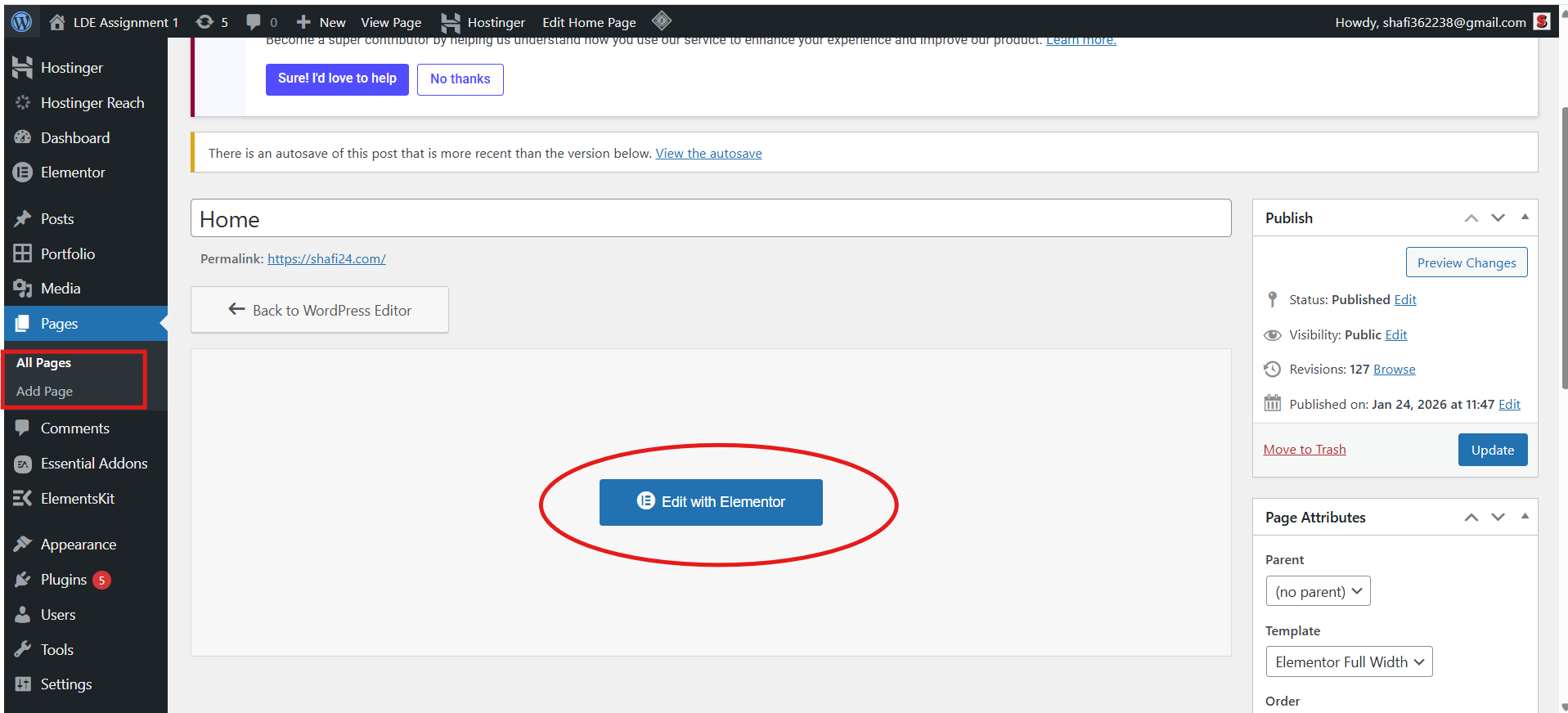
4. Next, I create a new page for my assignment content. I use elementor page builder for designing my page.
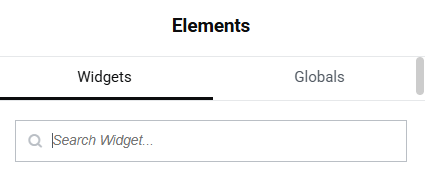
5. On the left hand side, there have all "Widgets", from here I used all of my necessities widgets.
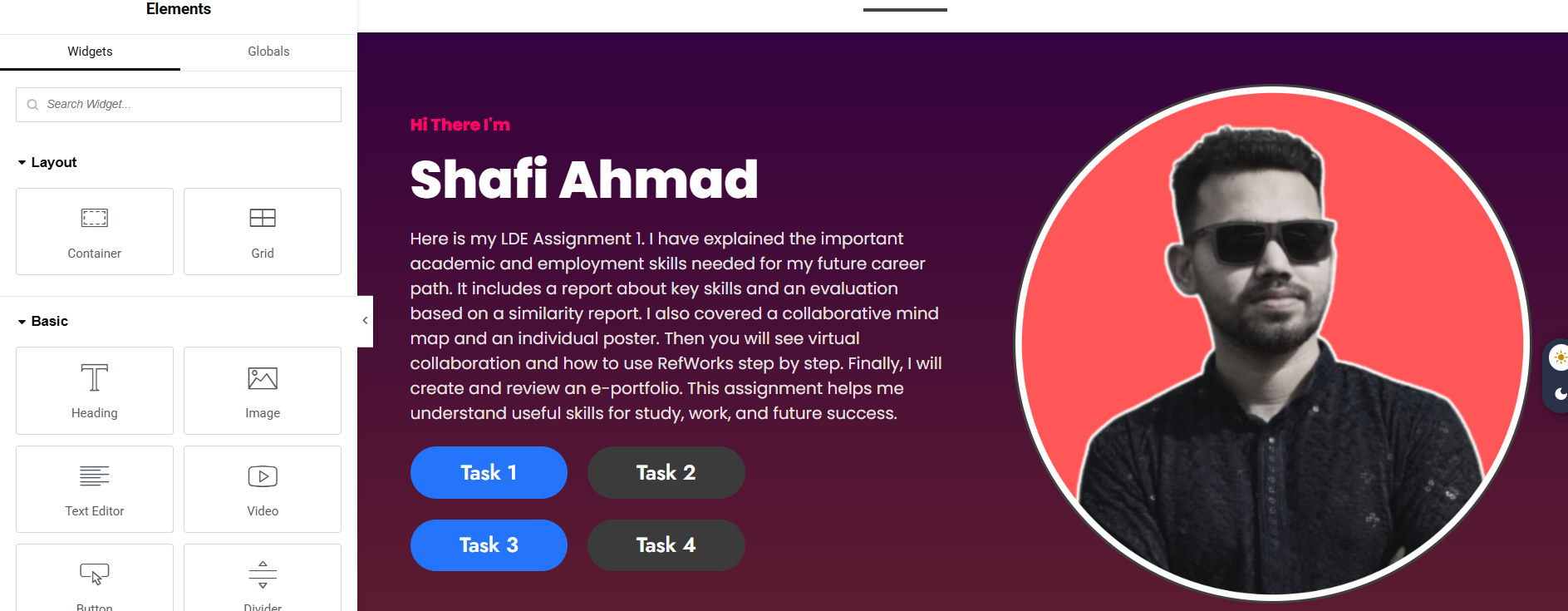
6. I gave a small introduction of my assignment and I use one of my photo on right. I gave 4 buttons for my 4 tasks.
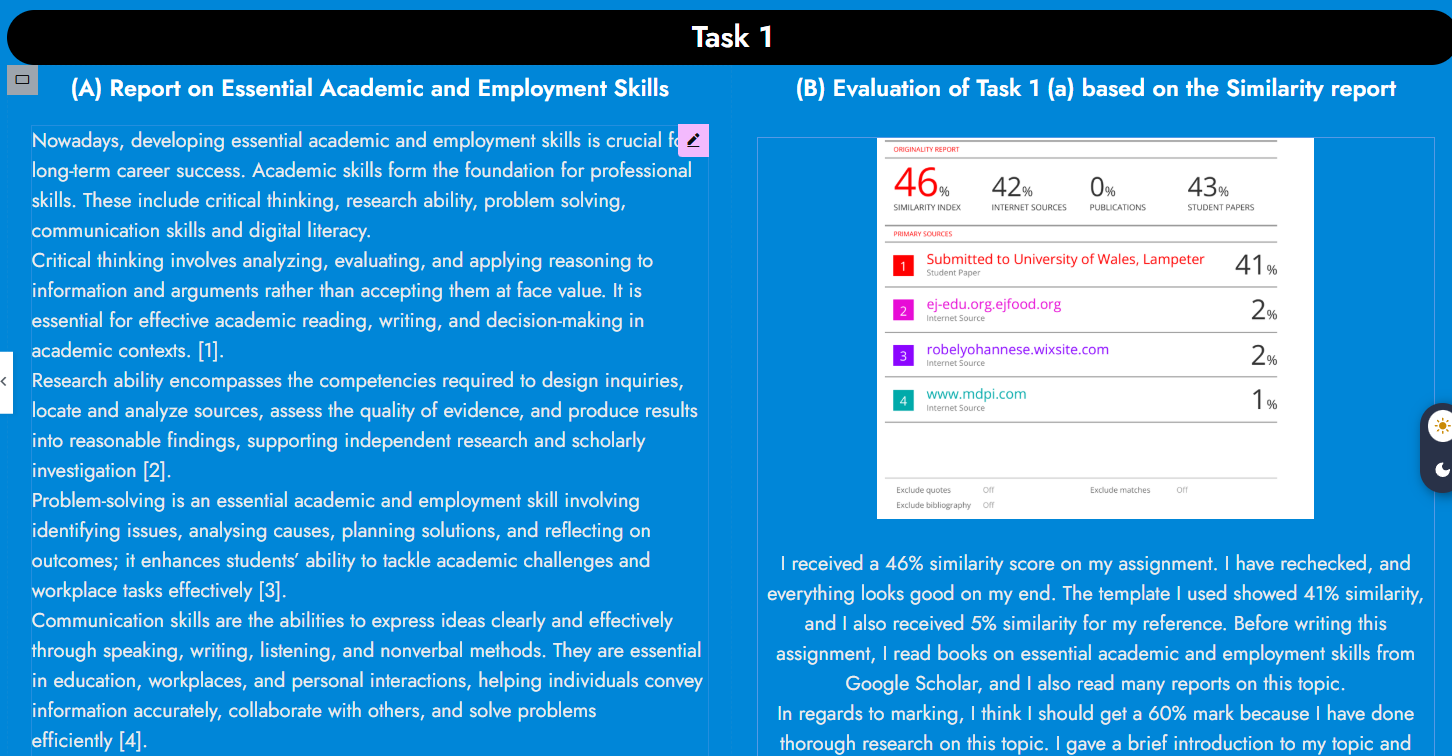
7. I used different background colours to highlightthe title and text.
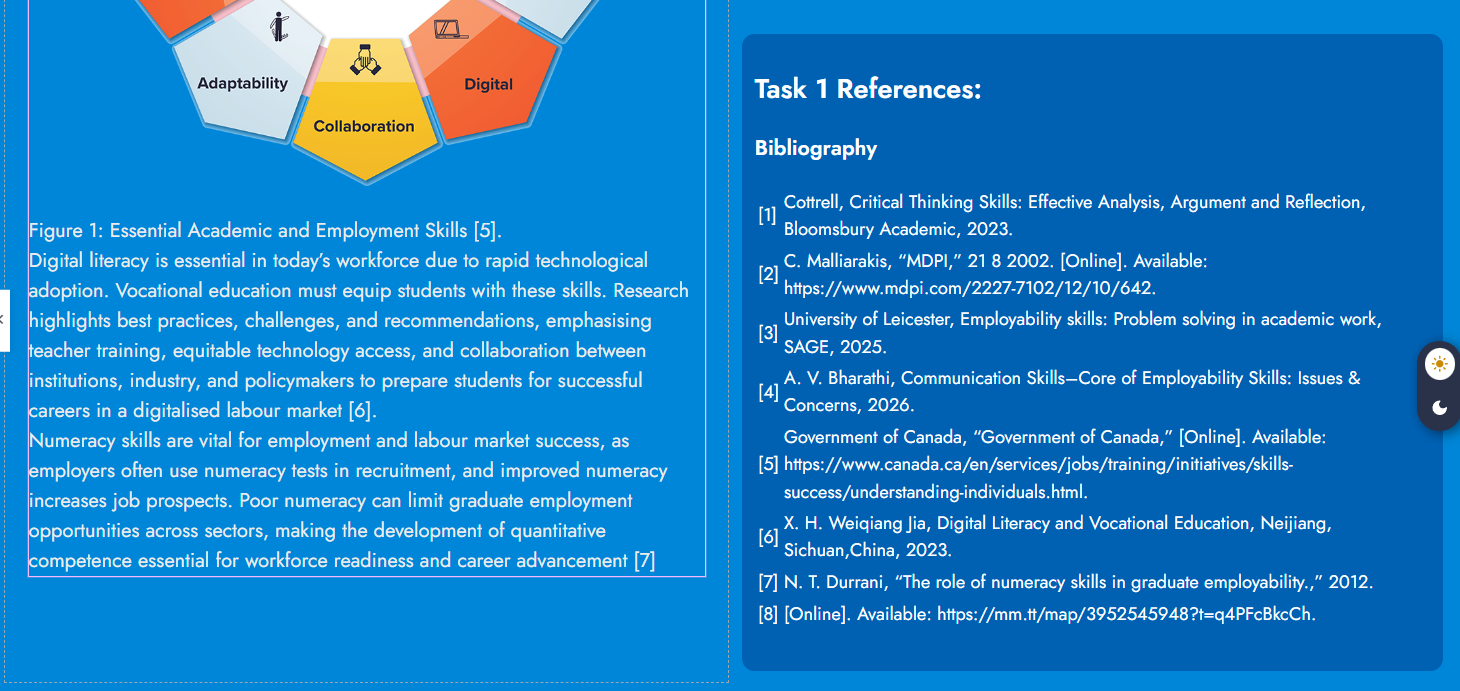
8. I added all my references at the bottom with a different background colour.
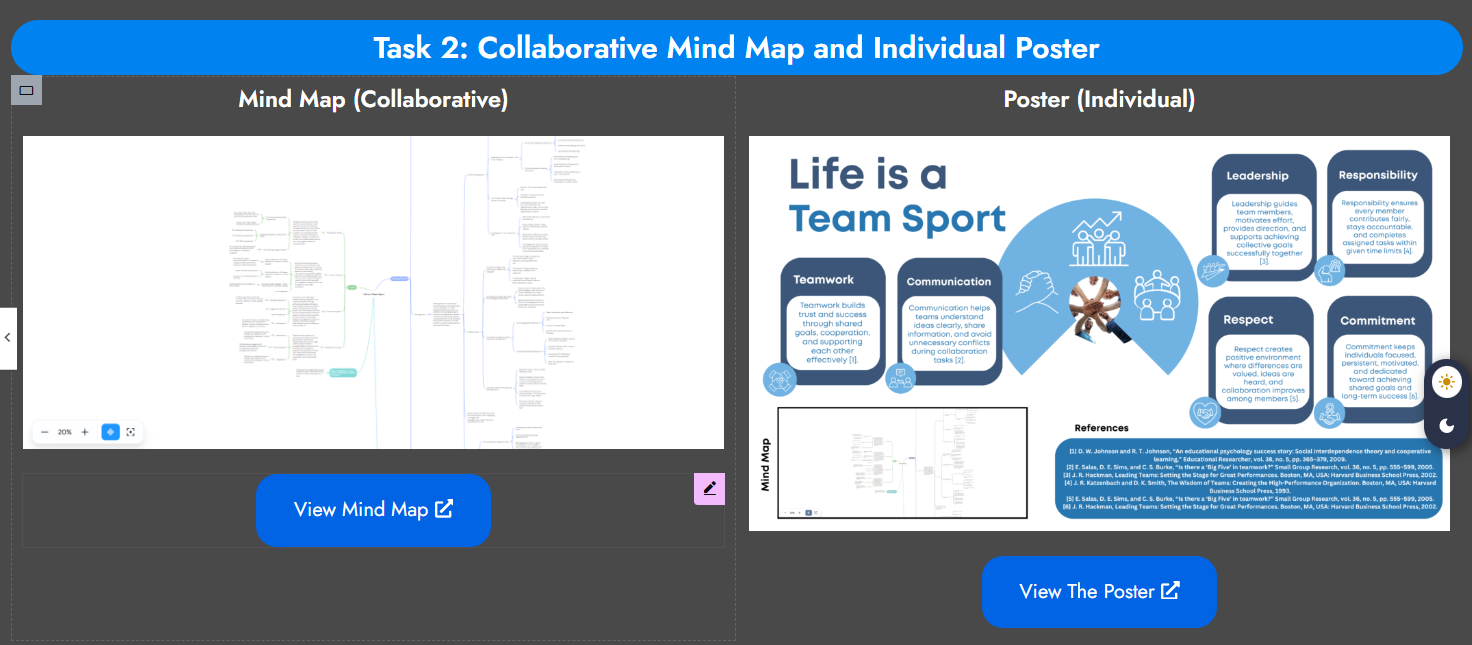
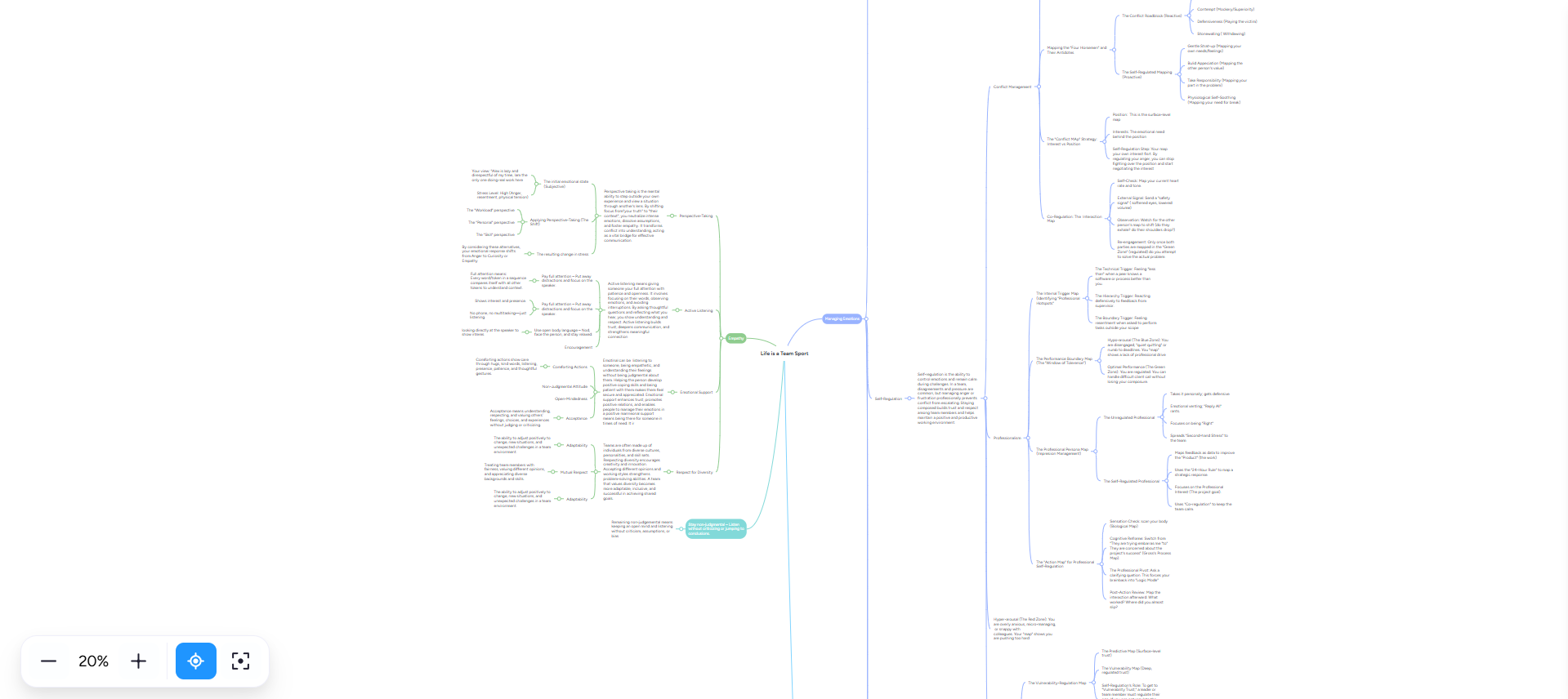
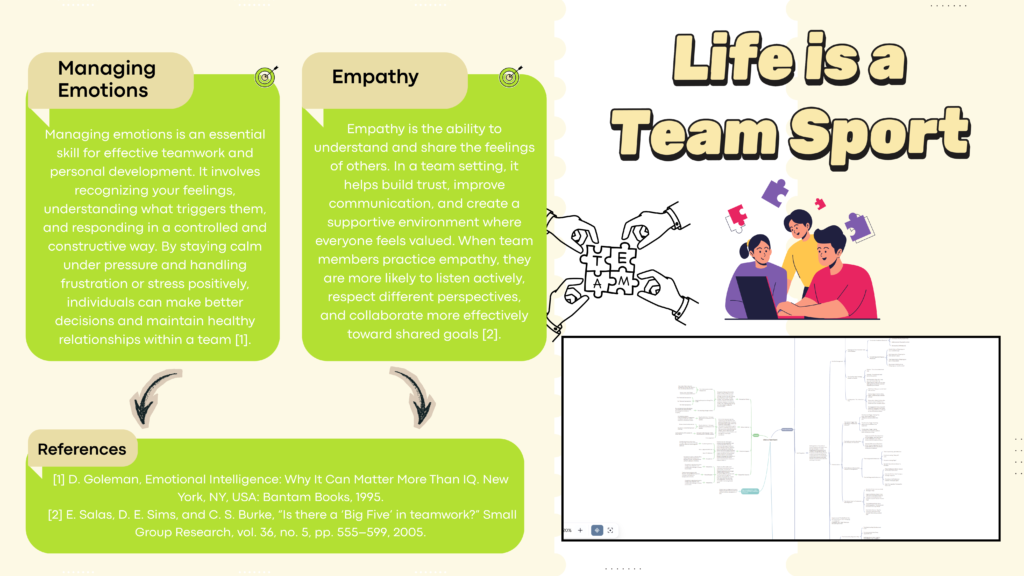
9. I add one screenshot of my mindmap and poster. On the bottom, I add buttons with a link to the mindmap and poster edit.
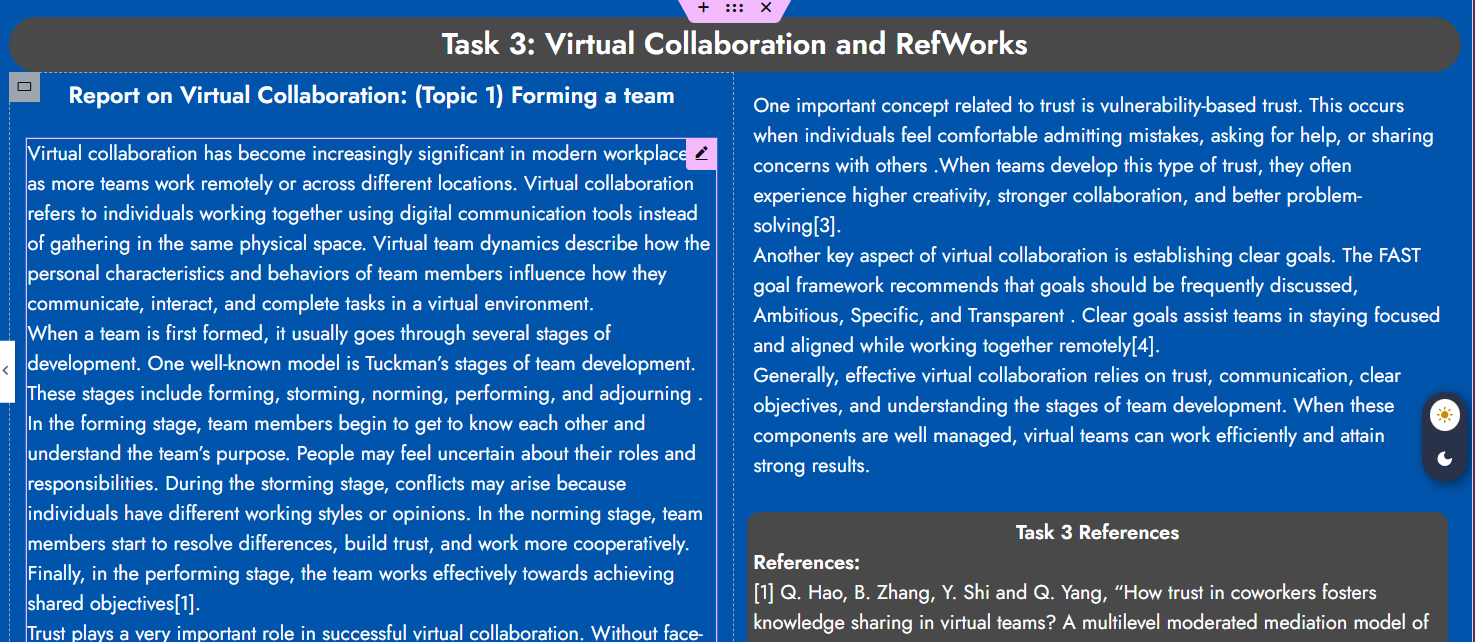
10. After that I have added the task 3 and the references.
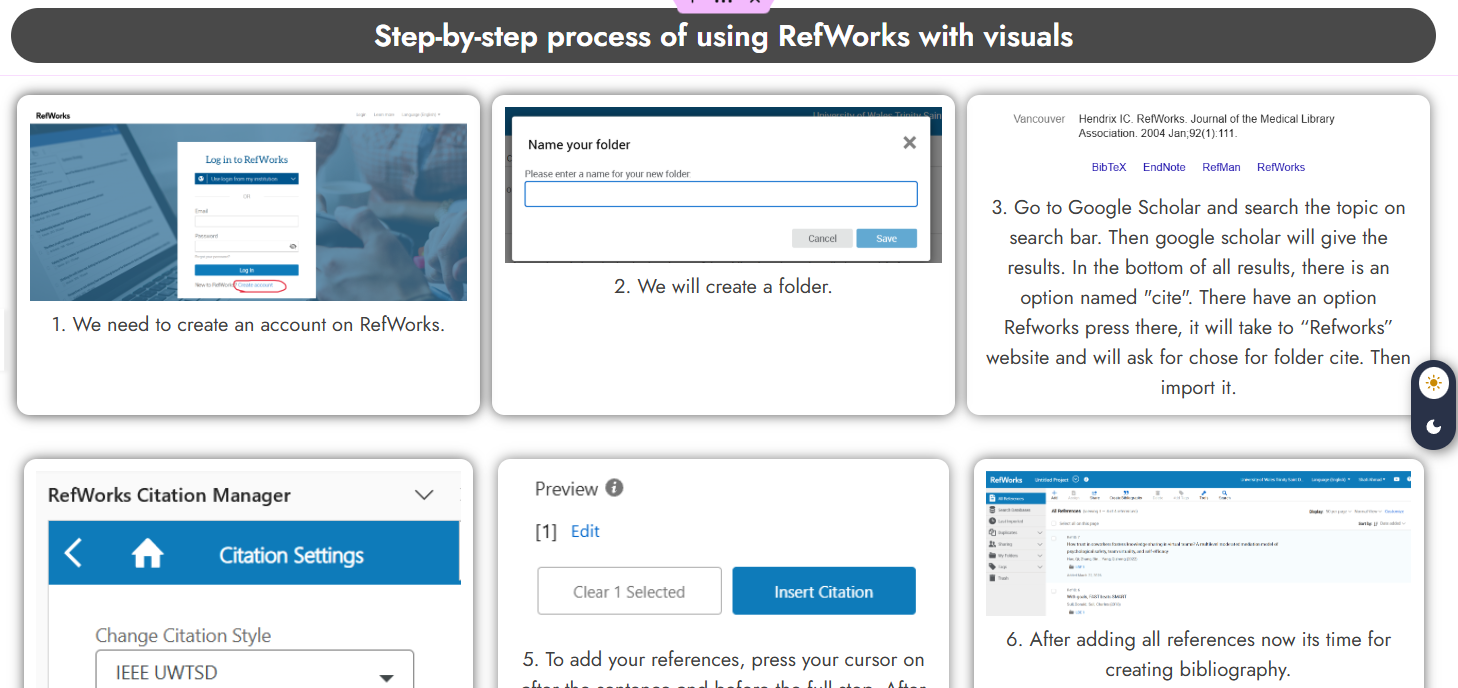
11. In next container I have added all screenshort of RefWorks.
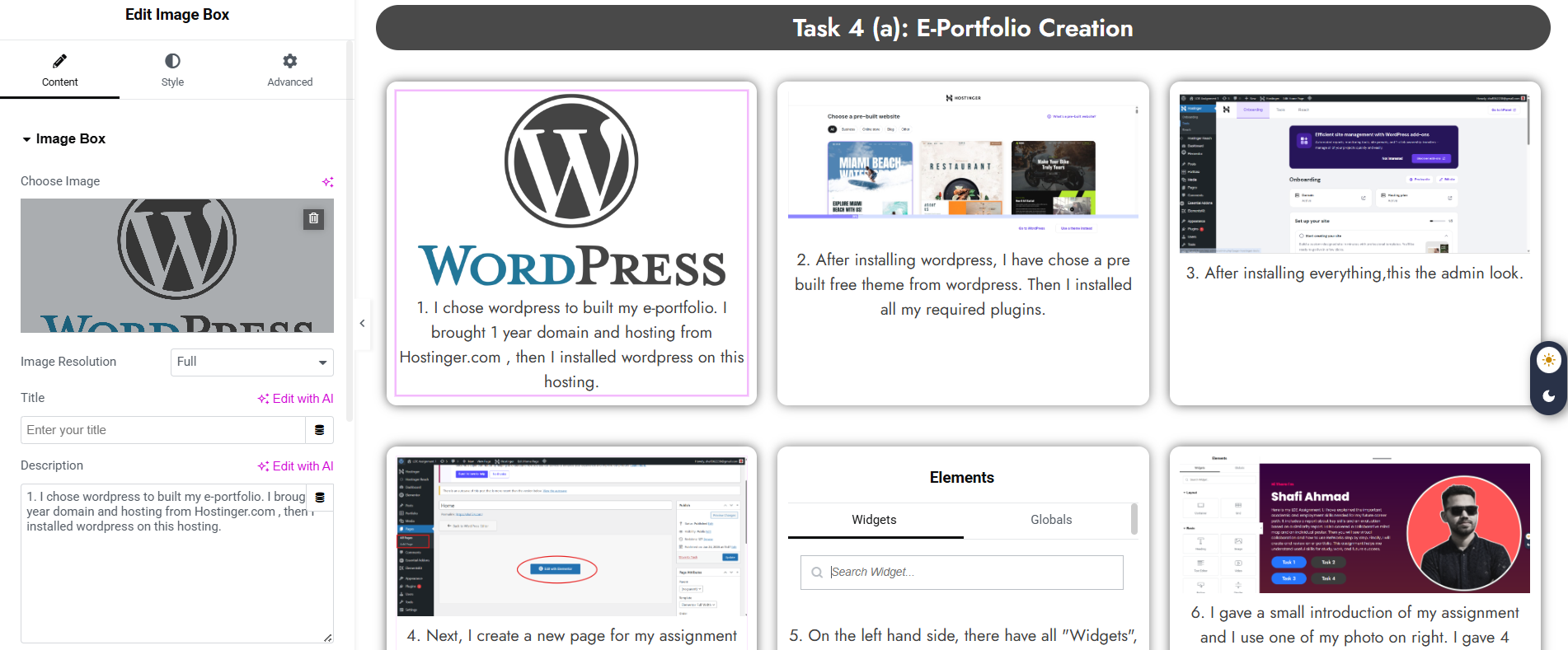
12. In this section, I showed the process of how I create an e-portfolio.
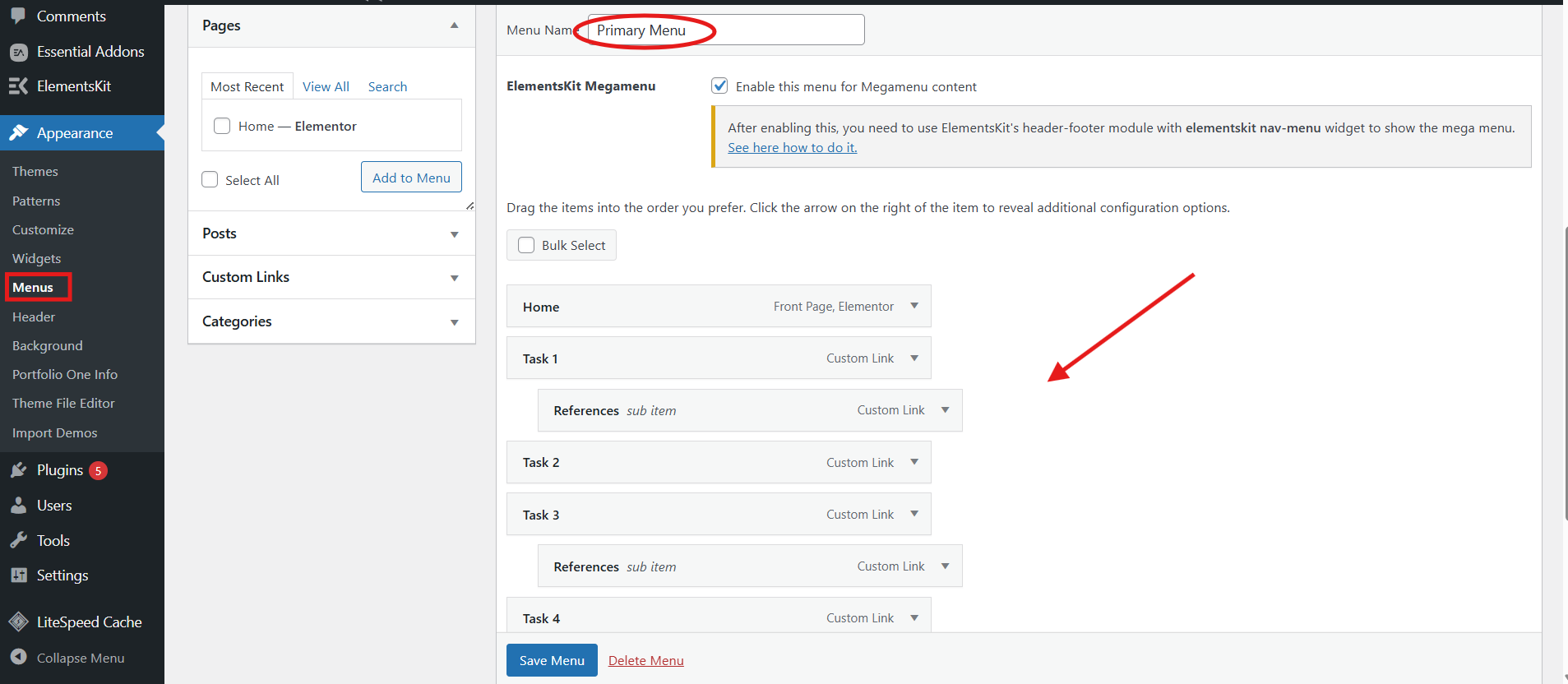
13. Then I add the menu bar.
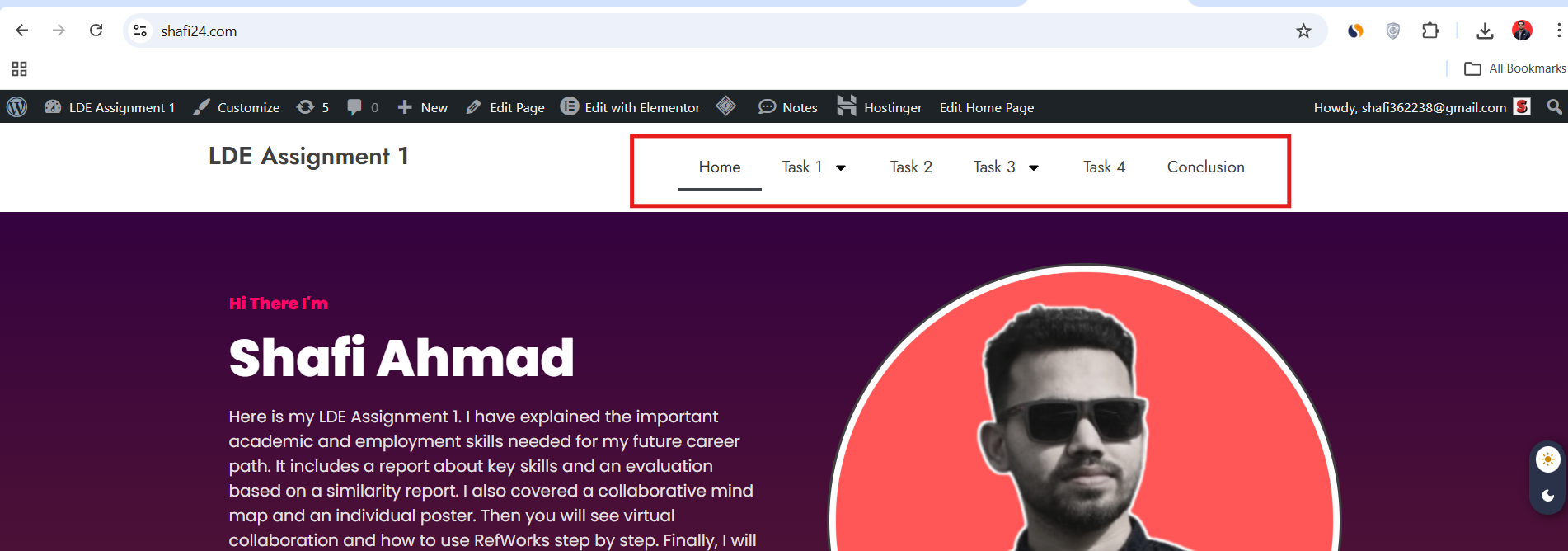
14. I add all task on menu bar whichh will help to navigate with all tasks.
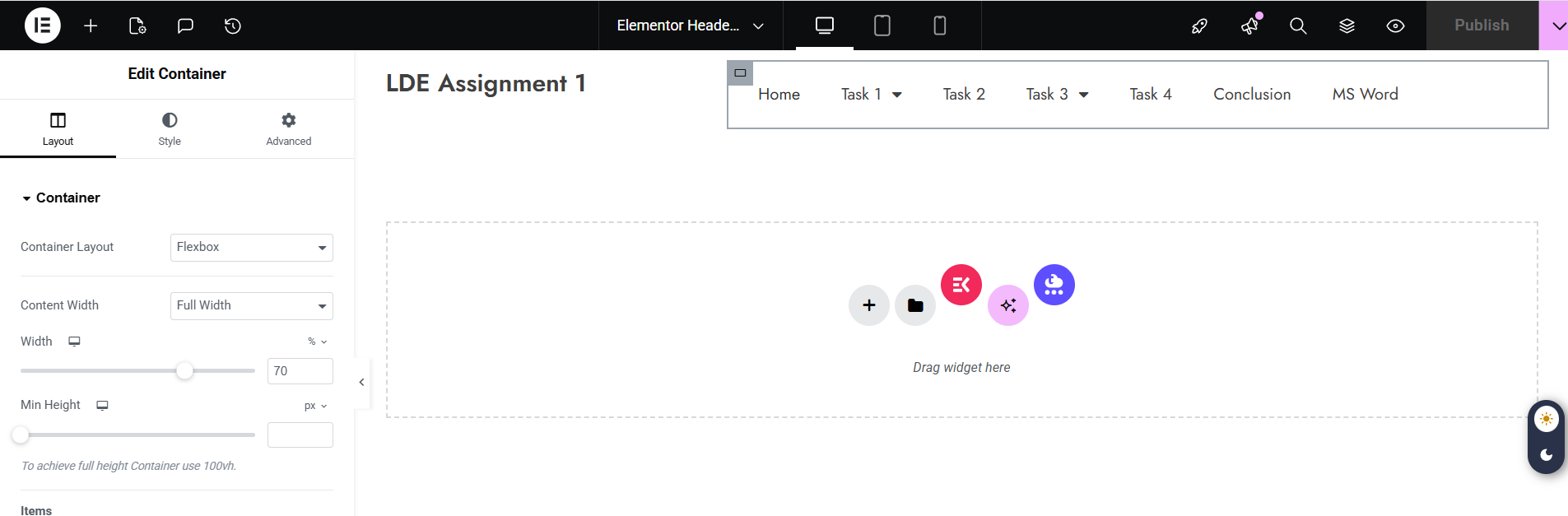
15. I have resized the menu bar. It's look profesional now.
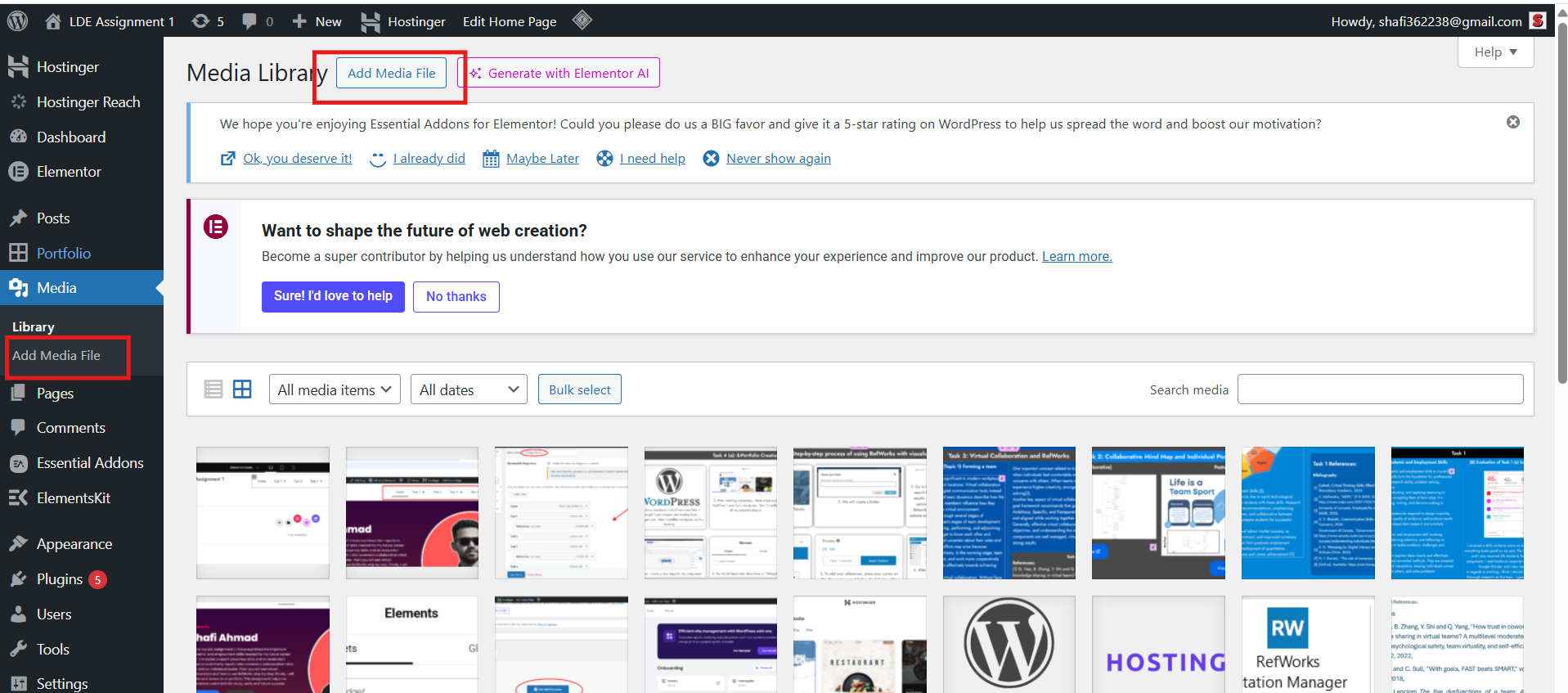
16. I have uploaded the MS Word file.
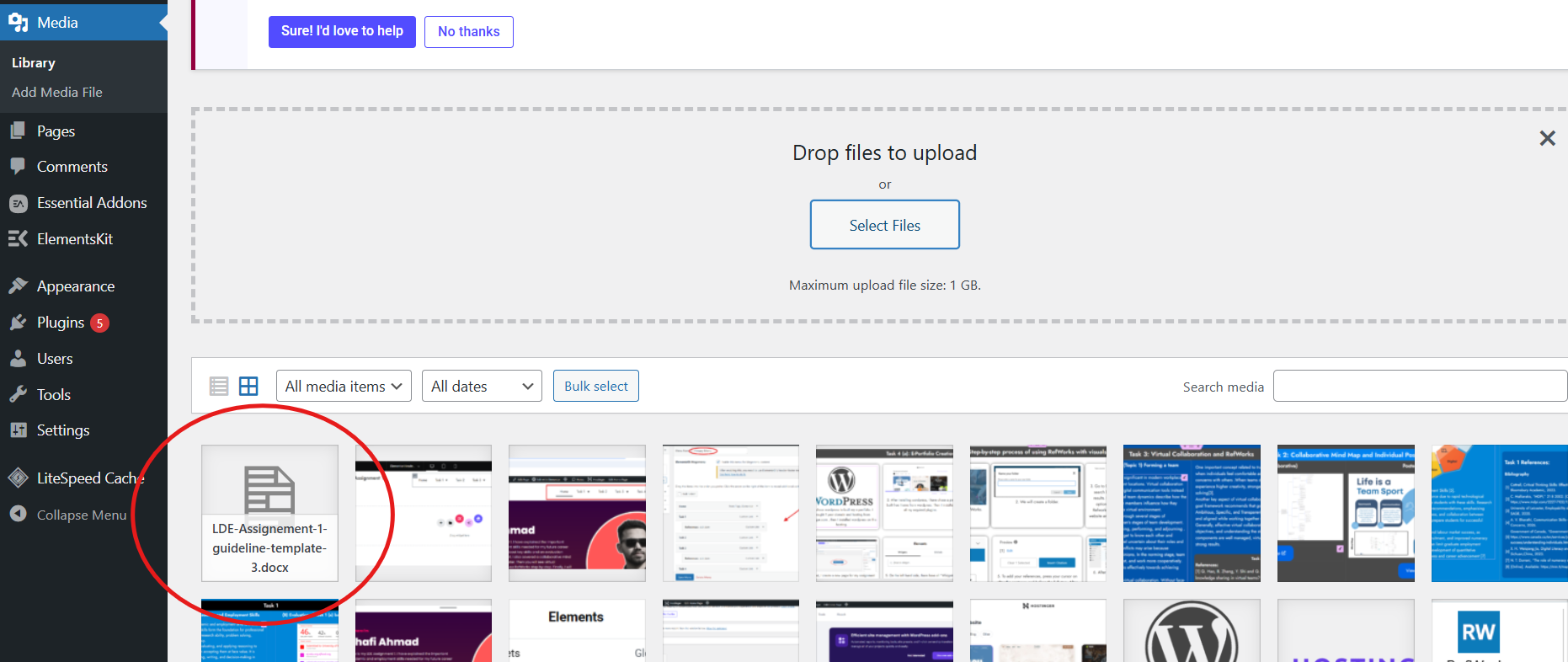
17. You can see here.
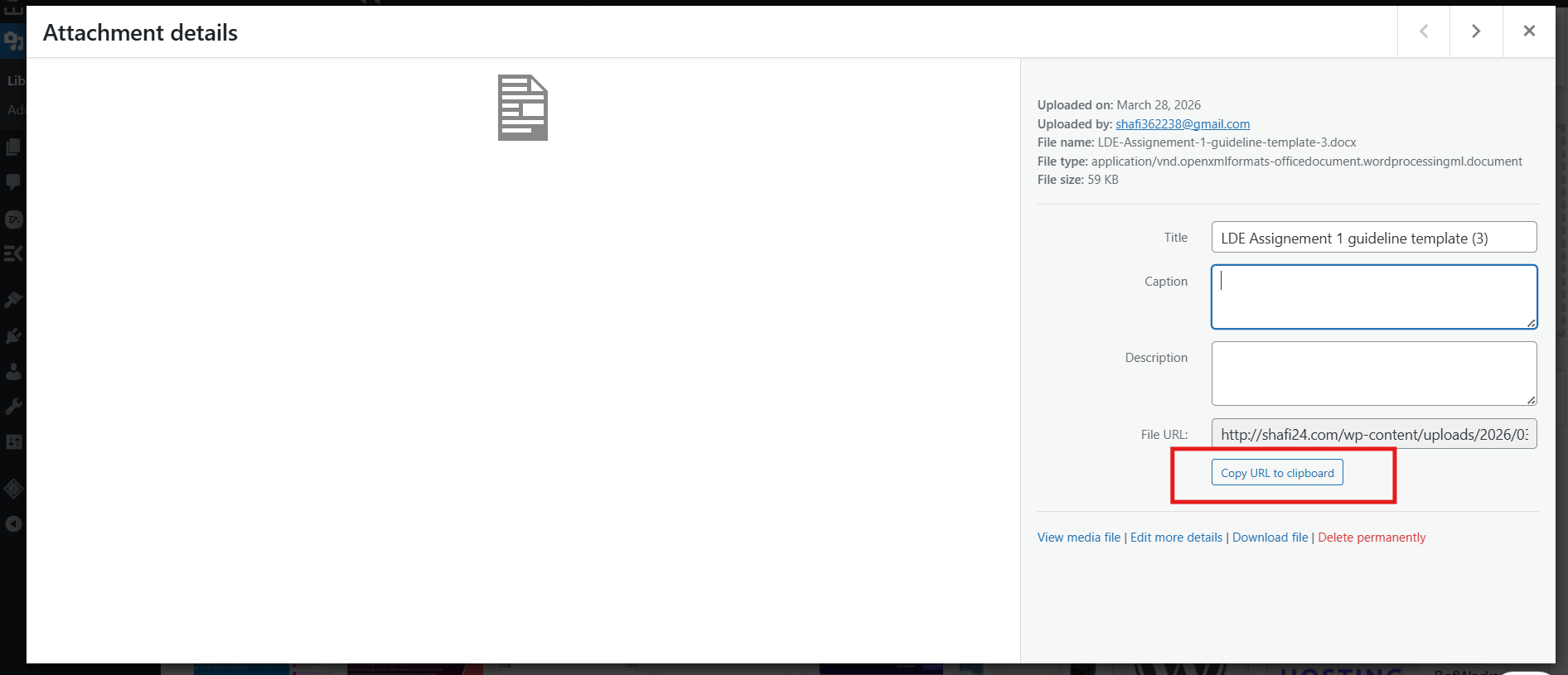
18. Then copied the url.
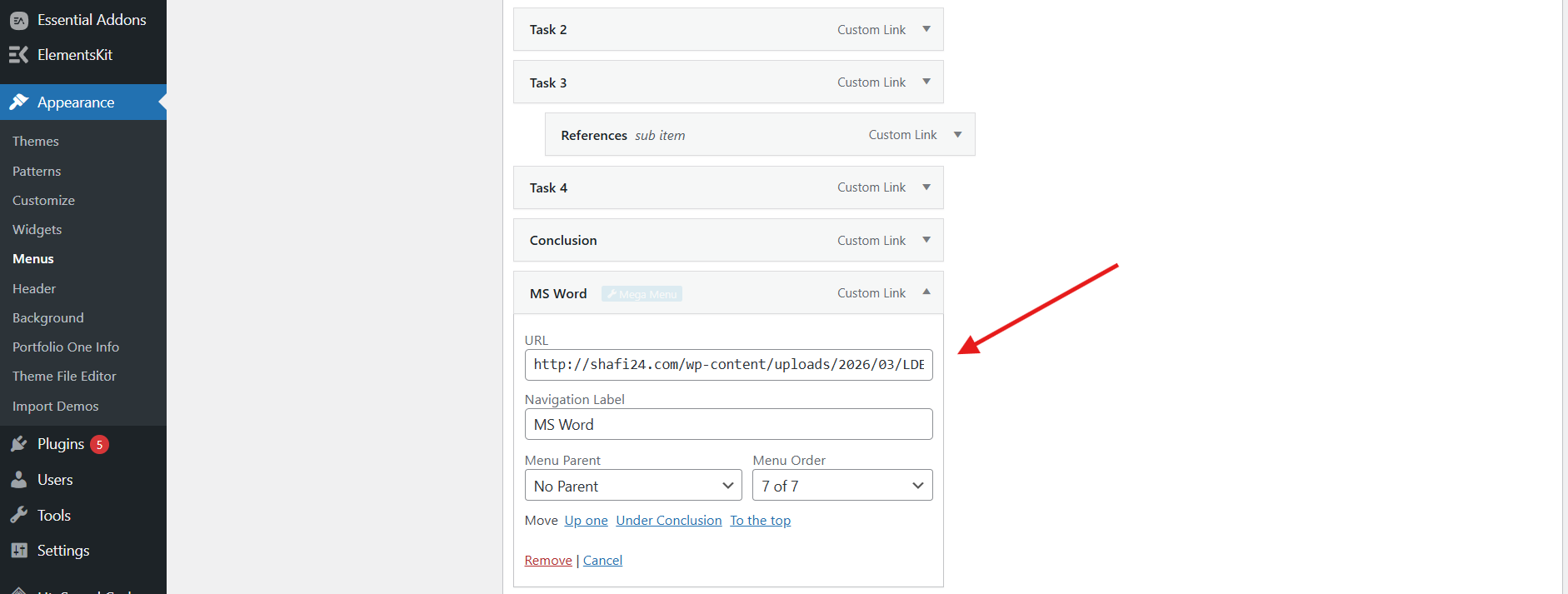
19. And paste it on custom page's url.
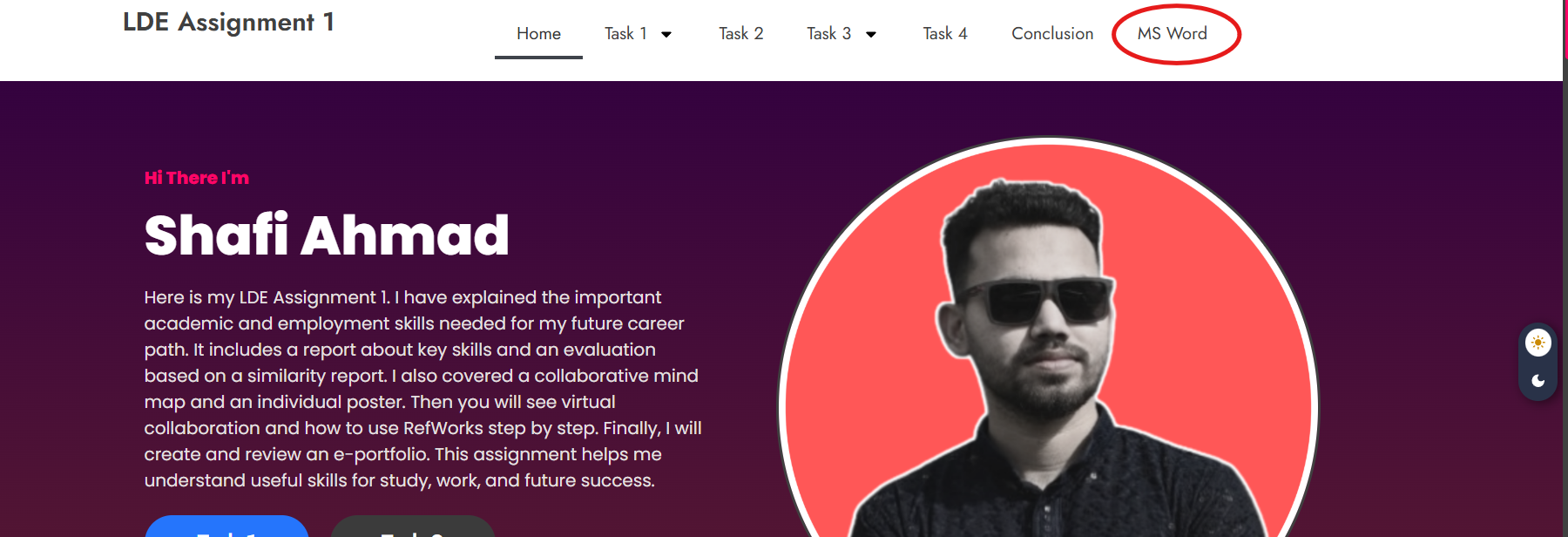
20. Now if you press on MS Word, it will autometicly start downloading the Word file.
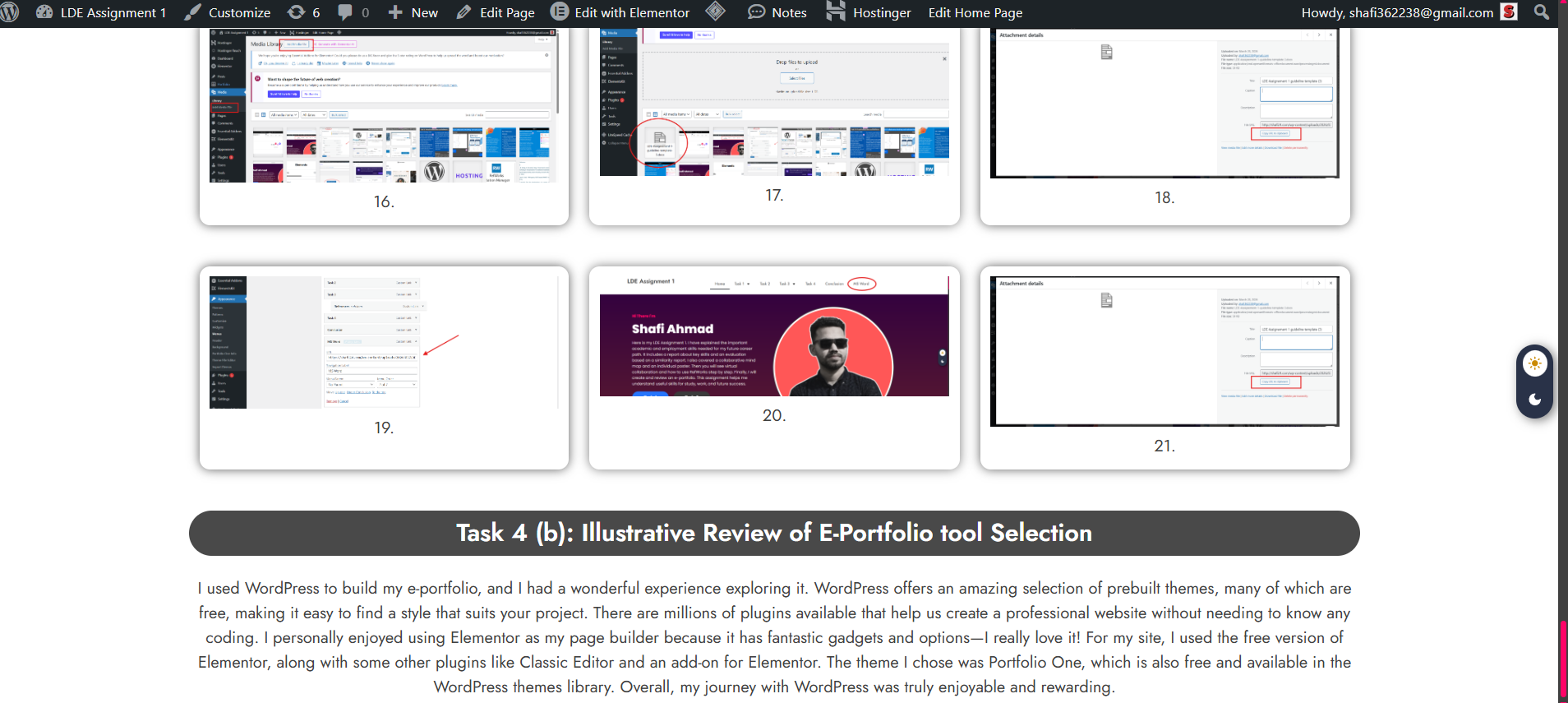
21. I have added a review at the bottom.